Art Products: The Future of Innovation
**The Future of Art Products: A Road to Innovation**,This paper explores the evolution of art products in the digital age, highlighting how modern technology is transforming the way we create, consume, and experience art. By leveraging digital platforms, artists and designers are increasingly leveraging virtual reality (VR) and augmented reality (AR) to create interactive and immersive experiences. These innovations not only enhance the personalization of art products but also enable real-time collaboration between creators and audiences. The study emphasizes the potential of digital content to serve as educational tools, bridging the gap between art and technology. Future research should focus on expanding the applications of digital technologies in art creation and delivery, ensuring that these innovations remain accessible and impactful across diverse audiences.
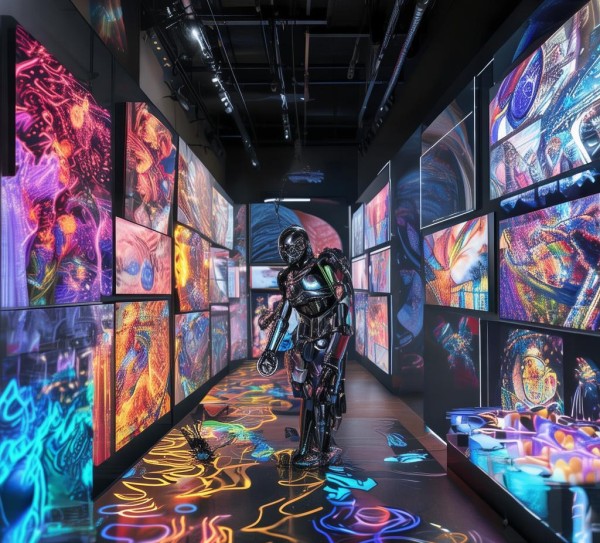
art products are revolutionizing the way we interact with the world, from our daily lives to the most advanced technologies. These products leverage cutting-edge technology to create experiences that are not only efficient but also personalized, environmentally conscious, and more interactive than ever before. As we look to the future, art products will play a crucial role in shaping the way we live, work, and consume information. This article explores the fundamentals of art product development, its various applications, and the exciting opportunities it presents for the future.
Design and Architecture
- The design and architecture of an art product are the foundation of its functionality. They involve creating an intuitive and user-friendly interface, layout, and branding that enhances user experience.
- Design: The visual and functional aspects of the product should align with its intended purpose. For example, an art lighting device might feature a color-coded LED display system that responds to lighting conditions.
Development
- Development is a multi-step process that involves building the physical and digital components of the product. It includes creating algorithms, writing code, and developing user interfaces.
- Collaboration: This phase requires input from various stakeholders, including developers, designers, and business leaders. For instance, a developer might work closely with a designer to ensure the product meets user needs and best practices.
Testing and Validation
- Testing is crucial to ensure the product meets user expectations before it is launched. This phase involves implementing tests, validating the product through user feedback, and ensuring it meets regulatory requirements.
- Regulation: The product must comply with relevant regulations and standards, such as GDPR for digital products or safety certifications for health-related products.
Launch and Distribution
- Once the product is developed and tested, it must be launched and distributed to the target audience. This phase involves marketing, sales, and ensuring the product reaches the right customers.
- Marketing: Effective marketing strategies are essential to position the product in the market. For example, a brand might use social media campaigns or influencer partnerships to attract customers.
User Experience (UX)
- The final step in the development process is ensuring the user experience is seamless and intuitive. This involves continuous feedback loops to refine the product and address user concerns.
types of art products
Home Automation Devices
- These devices, such as art thermostats and art locks, use sensors and algorithms to maintain a secure and comfortable environment. They can be integrated into smart homes or even used in art exhibitions.
Art Health and Fitness Devices
- These include artwatches, fitness trackers, and exercise apps that provide personalized health insights and workout recommendations. They can be used in art studios or fitness centers to enhance the art experience.
Art Transportation Systems
- These systems, such as electric cars, autonomous vehicles, and public transport systems, use advanced technologies to optimize travel and reduce emissions. For example, a self-driving art taxi could transport artists to their next exhibition.
Art Consumer Electronics
- This category includes devices like art cameras, art cameras with voice commands, and art cameras with augmented reality features. They can be used in galleries, art studios, or even on mobile devices.
Art Retail Products
- These are products like art clothing, online shopping systems, and inventory management software that enhance customer experiences. For example, an art clothing retailer could offer unique styles and designs to attract customers.
Art Energy Management Systems
- These systems, such as art grids and renewable energy monitoring tools, optimize energy production and distribution. They can be used in art schools or galleries to support energy-efficient art exhibitions.
applications of art products
Retail
- Art shopping platforms, automatic packaging systems, and personalized product recommendations are transforming how consumers shop and purchase. For example, an art market could use interactive displays to showcase new works and offer early access to pre-orders.
Healthcare
- Art medical devices, such as wearable fitness trackers and telemedicine systems, are revolutionizing healthcare. For instance, a patient could use an art health watch to monitor their physical activity levels and get personalized recommendations based on their health metrics.
Transportation
- Art transportation systems, including autonomous vehicles, electric vehicles, and public transit apps, are reshaping the way people travel and commute. For example, an art taxi could take artists to their next exhibition, reducing the travel time and cost.
Education
- Art education systems, like art TVs, streaming devices, and online tutoring systems, are enhancing the educational experience for students. For example, an art teacher could use an interactive art platform to engage students in creative projects and provide real-time feedback.
Energy Management
- Art grids, renewable energy monitoring systems, and energy-efficient products are playing a critical role in reducing carbon emissions and improving energy efficiency. For example, an art exhibition could use an energy-efficient lighting system to minimize its environmental impact.
Entertainment
- Art entertainment systems, such as art TVs, streaming devices, and gaming consoles, are enhancing the viewing experience for audiences. For example, an art film could use interactive art decorations to make the movie more engaging and immersive.
the future of art products
Transformative Potential
- As we look to the future, art products are poised to become a dominant force in nearly every industry. Their ability to integrate technology with human behavior will create new opportunities for businesses and individuals. For example, AI could be used to create personalized art experiences, while IoT could optimize energy consumption in art galleries.
Environmental Sustainability
- The development of energy-efficient art products is essential to minimize the environmental footprint of these technologies. For instance, renewable energy monitoring systems could help artists and educators reduce their carbon emissions while creating art.
User-Centric Design
- Unlike other technologies, art products must be designed with user in mind. This means creating intuitive interfaces that are easy to use and engaging from the outset. For example, an art lighting device could feature color-coded LED lights that respond to light conditions, making it more user-friendly than traditional lighting systems.
AI and Machine Learning
- The integration of artificial intelligence into art products is expected to revolutionize many areas. For example, AI could be used to create personalized art pieces by analyzing vast amounts of data and generating unique masterpieces based on user preferences.
Green Technology
- Companies are increasingly investing in green technologies to minimize the environmental impact of art products. For instance, sustainable materials and energy-efficient manufacturing processes could reduce the carbon footprint of art installations, making them more environmentally conscious.
Future of the Art
- As we continue to explore the possibilities of art product development, it will be crucial for businesses to stay ahead of the curve and capitalize on the opportunities that lie ahead. For example, companies could develop new art technologies that address emerging trends in fashion, digital art, and digital marketing.
Art product development is a dynamic and ever-evolving field that holds immense potential for transforming industries, improving quality of life, and driving innovation. By understanding the fundamentals of art product development, embracing diverse product types, and leveraging cutting-edge technology, businesses can create products that meet the unique needs of their customers. As we look to the future, art products will continue to play a central role in shaping the world in ways that are both exciting and transformative.